
The unseen forces behind the psychology of gambling decisions
The Influence of Cognitive Biases
Cognitive biases play a significant role in how individuals make decisions in gambling scenarios. The illusion of control is one of the most prevalent biases where players believe they have influence over random outcomes, such as in games of chance. This false sense of agency can lead to an increased frequency of play, as individuals feel more empowered and confident in their decisions, even in games like slots or roulette where outcomes are purely random. A popular option for those seeking thrilling experiences involves an ice fishing game real money option.
Another notable bias is the gambler’s fallacy, where players assume that past results influence future events. For instance, if a specific number has not appeared in a roulette game for several spins, players may believe it is “due” to win. This misconception can lead to increased bets, as players chase losses or anticipate future wins based on erroneous thinking, which can significantly skew their gambling behavior.
Additionally, confirmation bias affects how gamblers interpret their experiences. Players often focus on wins and dismiss losses, reinforcing their belief that they are skilled or lucky. This selective perception can create an illusion of success, encouraging further gambling and risking more money in hopes of replicating a perceived winning strategy. Such biases underscore the need for awareness of psychological factors in gambling behavior.
The Role of Emotional States
Emotions significantly influence gambling decisions, often driving individuals toward impulsive behavior. High-stakes environments, such as casinos, can evoke excitement and euphoria, leading players to take risks they might not consider in everyday life. The thrill of a potential win can cloud judgment, encouraging excessive gambling or chasing losses when a game does not go as planned.
Conversely, negative emotions such as anxiety, stress, or boredom can also drive gambling decisions. Individuals seeking an escape from these feelings may turn to gambling for relief, believing that winning could alleviate their emotional distress. This highlights a critical link between mental health and gambling behavior, as those who struggle with emotional regulation may be more susceptible to developing gambling problems.
Moreover, emotional arousal can be manipulated through environmental factors in casinos, such as sounds, lighting, and visual stimuli. These elements can heighten excitement and enhance the gambling experience, making players more likely to engage in high-risk behavior. Understanding the interplay between emotions and gambling choices can inform better support systems for individuals facing gambling addiction.
The Impact of Social Influences
Social influences significantly shape gambling behaviors, as individuals often look to peers for cues on how to act in gambling environments. The presence of friends or family who gamble can normalize the behavior, leading others to partake more frequently. Social gatherings centered around gambling, such as poker nights or casino trips, can enhance the excitement but may also lead to poor decision-making, particularly when individuals feel pressured to conform.
The concept of social reinforcement also plays a critical role in gambling decisions. Positive social feedback, such as praise for wins or shared excitement over a big payout, can create an environment where gambling is celebrated. This reinforcement makes individuals more likely to engage in gambling activities, associating them with social bonding and acceptance, which can be particularly dangerous for those who are more impressionable.
Furthermore, online gambling platforms have introduced social dimensions through interactive features and community elements. Players can communicate, share experiences, and even compete against each other, which can amplify both the enjoyment and the risks associated with gambling. Understanding how social dynamics affect gambling decisions is crucial in addressing problem gambling and promoting responsible play.
The Technology Factor
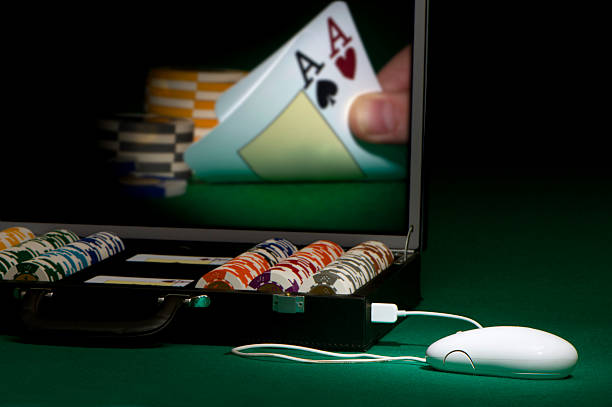
The rise of technology has transformed gambling behavior, introducing new platforms and methods for engaging in games of chance. Online casinos and mobile applications have made gambling more accessible, allowing users to place bets at any time and from any location. This convenience can lead to increased gambling frequency, as individuals find it easier to gamble impulsively without the constraints of traditional casino environments.
Moreover, technology has enabled the development of gamification features in gambling platforms, such as rewards systems and achievements that encourage continued play. By introducing elements like points, badges, and leaderboards, operators tap into the psychological motivation to compete and achieve, which can intensify the gambling experience and lead to more significant financial risks.
The use of big data and algorithms also impacts gambling decisions by personalizing experiences based on player behavior. Operators can target players with tailored promotions or incentives, manipulating engagement levels and potentially leading to addiction. Understanding the implications of technology on gambling psychology is essential for both operators and regulators aiming to promote safer gambling practices.

Understanding Gambling Psychology through Responsible Gaming
Our website is dedicated to exploring the intricate psychology behind gambling decisions and promoting responsible gaming practices. By delving into cognitive biases, emotional influences, social factors, and technological impacts, we aim to provide valuable insights for players, operators, and regulators alike. It is vital to create awareness about the unseen forces at play to mitigate potential risks associated with gambling.
Through educational content and resources, our platform seeks to empower individuals to make informed choices regarding their gambling behavior. We emphasize the importance of self-awareness and understanding one’s emotional and social triggers, equipping players with the tools necessary to enjoy gambling responsibly. In the context of engaging games, understanding options like ice fishing game real money can help enhance responsible choices. By fostering a culture of responsible gaming, we can support healthier attitudes toward gambling and reduce the incidence of problematic behaviors.
In summary, the psychology of gambling decisions is a complex interplay of cognitive, emotional, social, and technological influences. Our commitment to exploring these dimensions helps in guiding players toward better choices, ensuring that the thrill of gambling remains a fun and entertaining activity rather than a source of distress or addiction.